The Front Door Took Minutes. The Foundation Took Seven Years.

Julieta Raimonda
The Front Door Took Minutes. The Foundation Took Seven Years.
4:25
Inside the seven-year research effort that separates grounded answers from a confident guess.
By the time AI became part of the conversation, we had already spent seven years building something most companies are only just realizing takes years to build at all.
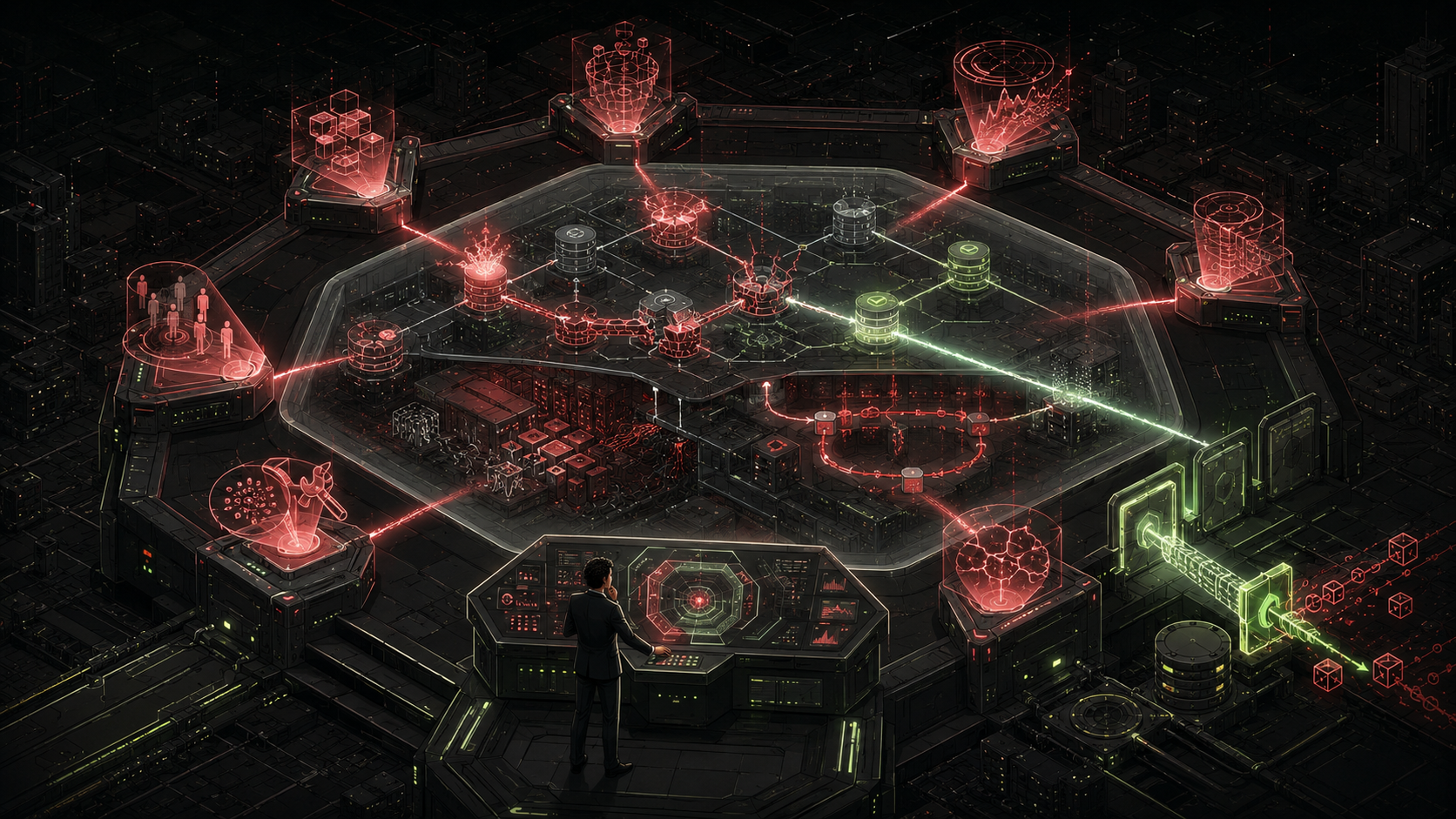
Ask a general AI model something genuinely complicated. A company’s real ownership structure. A fast-moving executive shakeup. A claim buried three pages into a filing. It will still answer confidently. Push back on that answer, even when it was right, and the model will often flip and agree with you anyway. Not because new evidence showed up. Because agreeing is closer to what it was built to optimize for than being right is. On research like that, hallucination rates run 50 to 82 percent depending on the model. Ground the same kind of system in real, verified data instead, and that number drops to under 2 percent.
McKinsey’s own language for that kind of grounding is a multiyear program. That is not an exaggeration. Real curation takes analysts, researchers, and years of verification before it is worth trusting with a single decision, let alone a sales conversation.
Anthony founded this company in 2019, and the work of building it has not stopped since. A team of analysts and researchers reads, verifies, and curates account intelligence by hand, and nothing goes into the database until it has been checked. The reports themselves are AI-generated, written directly from that verified data. Slower than trusting a model outright, and the results hold up because of it.
Then the AI boom hit, and Anthony made a call: go agentic first. Our Chief Creative Officer, Lee, redesigned the entire CYBE^R® Portal and website around that decision. The seven years of curated intelligence did not go anywhere. What changed is how fast someone can actually use it. That is the real dividing line behind any “AI-powered” claim: is the AI grounded in something real, or is it just answering fast? Here is what grounded actually looks like once you use it.
Pick a report type. Point it at a company or an executive. Battlecard, ISAP, City Analysis, DELVEin Airtime, Priority Prospects, Tech Stack Profile, Tech Footprint Sweep, the platform writes it from our database. It also pulls in whatever documents a client wants included. Most reports take 5 to 10 minutes. A deep ask can take longer. What used to mean assembling a research snapshot by hand across a dozen sources now happens at the moment someone asks for it.
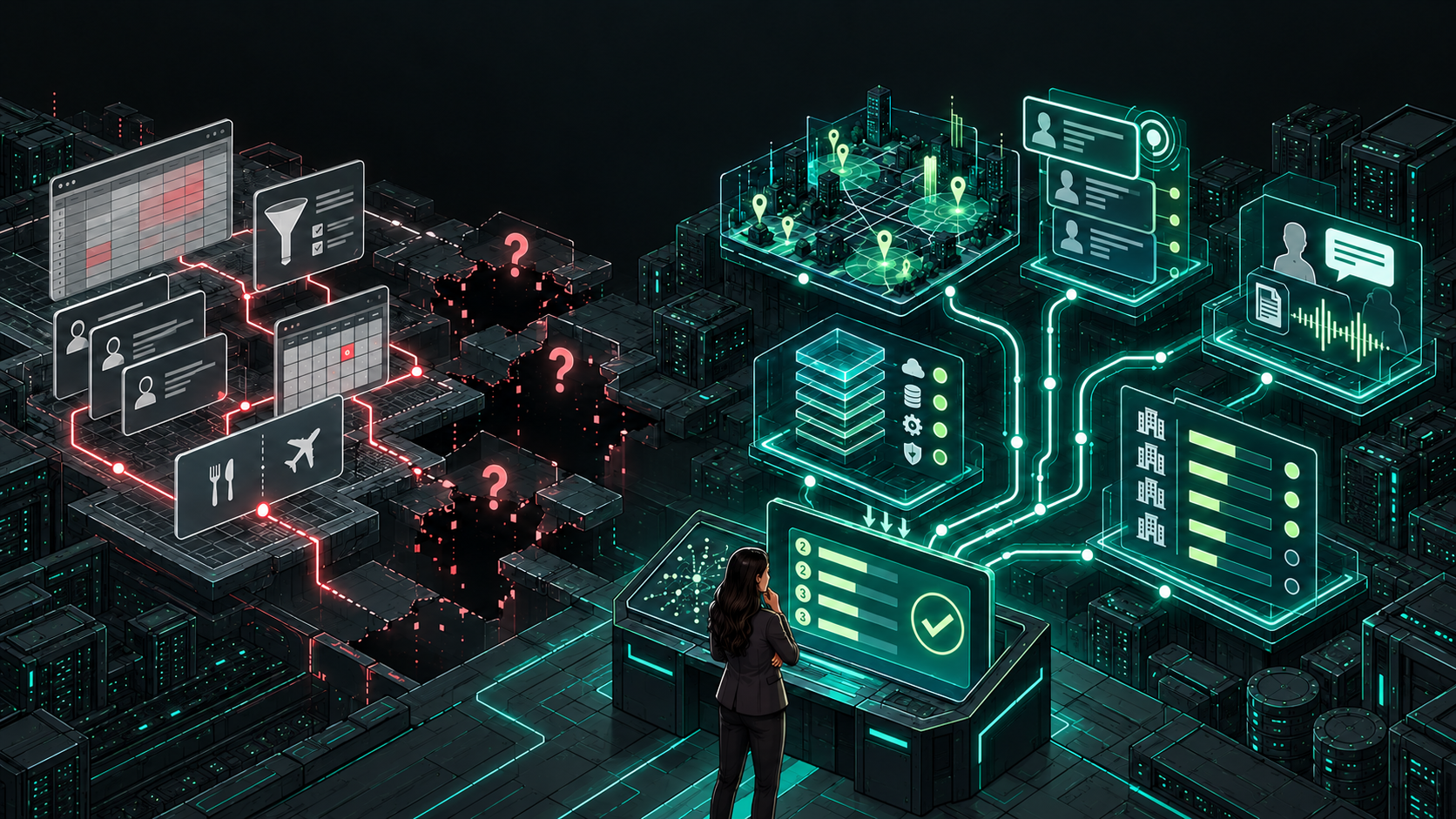
That speed only matters because of what it is built on. A generic AI answer on a question like this pulls from a handful of sources on the open web. Plausible, unverifiable, gone the moment you close the tab. Zenith Intelligence™ draws from more than 15 million curated sources, covering over 10,000 executives and nearly 20,000 companies. All of it is distilled into 116 Expertise Briefs, then layered with account-specific research added the moment a report is generated. It does not go stale the way a one-time training run does, either. Every contact gets refreshed on a 30-day cycle, against an industry standard closer to 12 to 24 months.
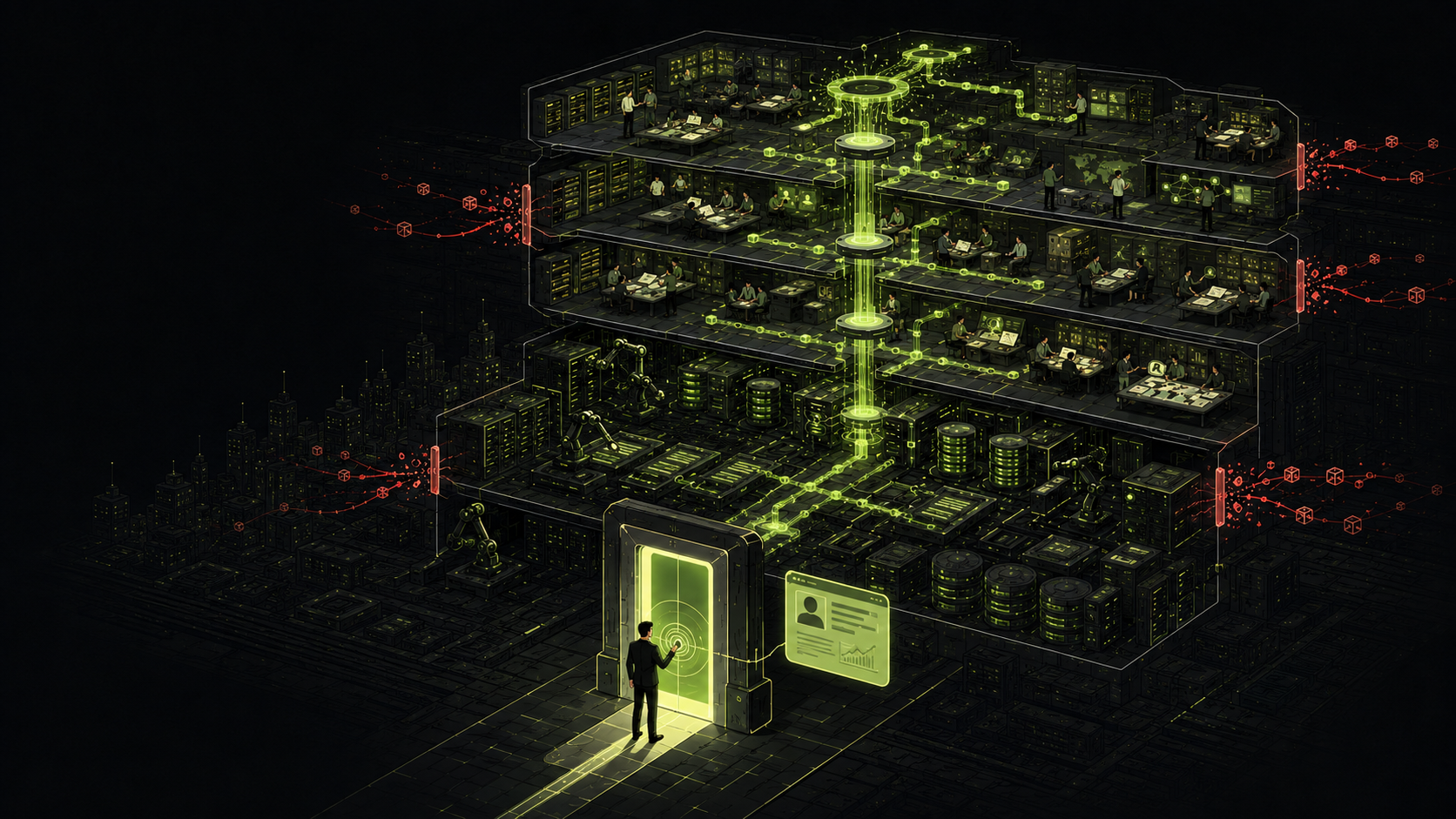
That gap between guessing and grounding is the real point here, more than any one product. AI did not create that value. It gave people a faster way to reach value that already existed, built the slow way, over years, by people. The seven years are the actual product. The AI is the front door.
Most companies claiming an AI-powered capability skip this part. Not because they are dishonest. Building the front door is fast, and demoing it is easy. Building what sits behind it takes years, and nobody asks about that part during a fifteen-minute demo. A real decision should ask anyway.
So the next time a booth, a pitch deck, or a LinkedIn post tells you something is AI-powered, pause. The honest question is not whether the AI is real. It almost certainly is. The honest question is what existed before the AI got added to it, and how long it took to build. Ask any vendor that question. Ask us that question too. The answer is either years or it is not much of an answer at all.