


Higher Lead QualityPrimary Friction PointThe Erosion of Pipeline Velocity in the Post-Digital Era
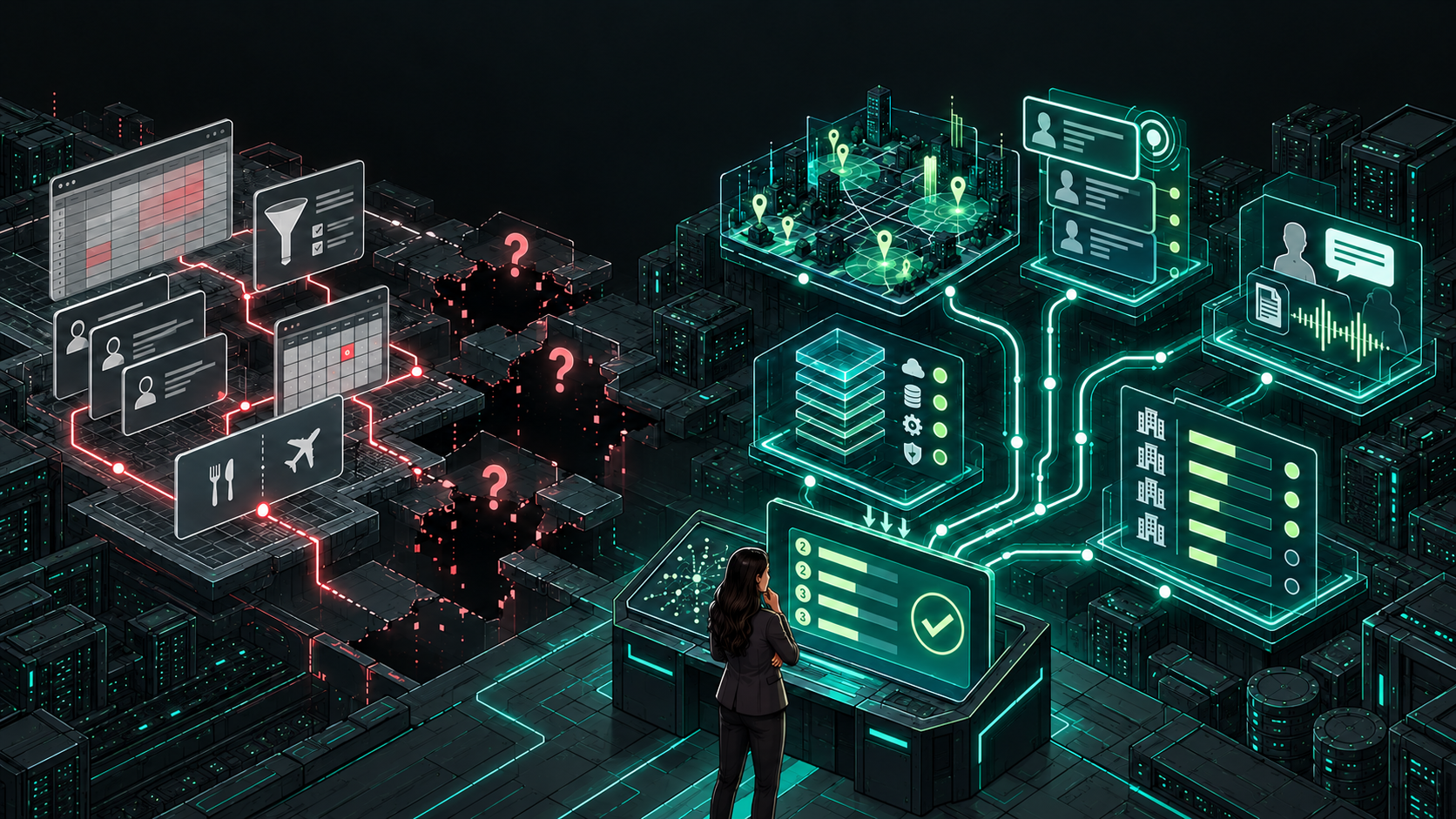
Imagine a video call with 11 cybersecurity stakeholders: CISO, procurement, finance, each focused on their own priorities. The conversation stalls, silence grows, and the CISO hesitates, weighing the risk. This is not an exception; it is the new standard. The real constraint in cybersecurity sales is no longer technology, but the scarcity of meaningful communication.
Cybersecurity has reached an inflection point. Technology is ubiquitous, but trust—the foundation of every enterprise sale—has never been more fragile. Digital transformation has expanded reach, but it has also extended the sales cycle for security solutions to 9, 12, or even 18 months. The result is clear: rising opportunity cost and competitive drag.
The culprit is the bloated buying committee—11 stakeholders, each adding friction and delay. Digital-only communication compounds the problem, turning every decision into a marathon of misalignment and indecision.
Consider the true cost of a three-month delay. On a $2 million deal with a 20% annual return, that is $100,000 in lost revenue—permanently gone. The oversized buying committee is more than a minor inconvenience; it is a direct threat to your bottom line. When you quantify the financial impact, the case for change becomes undeniable.
Pipeline velocity is the critical metric: how quickly can you convert a lead into revenue? In cybersecurity, velocity stalls at the consensus phase, where deals are lost in endless cycles of stakeholder hesitation.
Despite the convenience of virtual interactions, research from Gartner suggests that 75% of B2B buyers now prefer a representative-free experience, yet these same buyers are 1.8 times more likely to regret their purchase or experience a lower-quality deal when they bypass human interaction.
The Gartner Paradox is clear: buyers believe they want digital autonomy, but cybersecurity is too complex for low-fidelity channels. Only in-person networking delivers the confidence and clarity required to close high-stakes deals.
Comparative Analysis of Sales Cycle Determinants
| Factor | Mid-Market Solutions | Enterprise Security Deals |
| Average Cycle Length | 3–6 Months | 9–18 Months |
| Number of Stakeholders | 5–7 | 11+ |
| Primary Friction Point | Budget Justification | Consensus & Compliance |
| Decision-Making Structure | Centralized | Decentralized/Committee |
| Trust Threshold | Moderate | Extremely High |
In-person networking is not nostalgia. It is a strategic weapon against digital inefficiency. With 80% of sales now online, the remaining 20% of face time is where real revenue moves. One hour in a room during legal review can eliminate weeks from your cycle. The ability to read the room, address objections in real time, and build trust is the true ROI that converts leads into revenue.
Why Your Digital Funnel is Stalling
Fast deals are extinct. You have a digital funnel, automated outreach, and packed webinars, but your pipeline is stuck in no-decision limbo. The problem is not your product. It is the consensus gap.
Eleven stakeholders, each with veto power, make digital communication too slow and too shallow to drive alignment. For a CISO, this is not just a software purchase. It is a career-defining decision.
Digital channels miss the emotional feedback that signals hidden objections. In the room, you do more than present. You observe. You spot the skeptic before they become a blocker and address concerns before they turn into a hard no.
This is temporal compression in action. Move the conversation off the screen and into the room, and you turn a transaction into a partnership. You identify the quiet skeptics, surface their objections, and neutralize them before they stall your deal.
The Mathematics of the Handshake: 34x More Persuasive
If you want to know why your AEs need to travel, look at the data. Face-to-face persuasion works because emotion closes deals, not logic. In cybersecurity, that is the difference between hitting quota and missing it. Research shows CISO signatures come 34% faster with in-person meetings. That is the quarter-end impact you can measure.
Why does in-person work so well? Because you cannot read a micro-expression on Zoom. Companies that prioritize face-to-face meetings see a 70% increase in client engagement. Physical presence forces active listening and real focus. Non-verbal cues like posture, eye contact, and tone carry most of the message, and only in person do you get the full signal.
The ROI of the handshake is trust at scale. In person, clients see your expertise and commitment up close. That trust accelerates every stage of the deal, from legal review to procurement. The intent is clear and the partnership is real.
Measuring Success: The Velocity Dashboard
To prove the ROI of in-person networking to a skeptical CFO, you must stop talking about "brand awareness" and start talking about Velocity Deltas. Pipeline Velocity (V) is a compounded metric that rolls up four key inputs: the Number of Qualified Opportunities (O), the Win Rate (W), the Average Deal Size (D), and the Length of the Sales Cycle (L).
The formula is expressed as:
-1.png?width=278&height=112&name=Gemini_Generated_Image_t6rbo6t6rbo6t6rb%20(1)-1.png) In-person networking is the only lever that moves all four metrics at once. It uncovers real opportunities, builds trust that wins deals, and reduces cycle time by eliminating digital friction.
In-person networking is the only lever that moves all four metrics at once. It uncovers real opportunities, builds trust that wins deals, and reduces cycle time by eliminating digital friction.
According to global research from Accor, professionals expect to close 37% more deals when they can conduct their important meetings face-to-face. Furthermore, the data shows that the average B2B sales cycle has already begun to compress, from 11.3 months to 10.1 months, as buyers engage with sellers earlier to gain clarity on complex topics like AI and security.
Revenue Acceleration Benchmarks
| Metric | Digital-Only Baseline | In-Person Integrated Target | Business Impact |
| Deal Closure Rate | Standard | +37% Improvement | Accelerated Win Rate 2 |
| Sales Cycle Length | 11.3 Months | 10.1 Months | 11% Temporal Compression |
| Client Engagement | Baseline | +70% Increase | Higher Lead Quality |
| Trust Perception | Low/Skeptical | Extremely High | 1 in-person = 3 virtual 2 |
The real ROI of networking is not just more leads. It is the speed and certainty with which you move deals from discovery to close. Digital channels cannot deliver this.
Executive Roundtables: The CISO's Preferred Habitat
If you want to break into the Fortune 500, skip the trade show floor. The CISO you need is behind closed doors or at a private dinner. Executive Roundtables are the shortcut to consensus. In that room, you are not a vendor. You are the facilitator.
Peer validation is the currency. Buyers trust their network, not your sales pitch. When a CISO hears from a peer that your solution works, the deal cycle shrinks. To unlock this, keep roundtables vendor-agnostic. The moment a sales rep starts pitching, you lose the room. Create a space for best practices and let your technical leads speak as experts.
Operationalizing the Advantage
To operationalize this, bridge the gap between the handshake and the CRM. Elite teams use Context Capture protocols that feed real Data Intelligence (DIQ) into their sales stack. Keep it simple: record key points with voice-to-text during or after the meeting, then push those notes into the CRM within 24 hours. Automation handles the rest, delivering precision without extra effort.
-
The Current Stack: What tools are they currently using?
-
The Friction Point: What is the number one thing they want fewer incidents of this quarter?
-
The Buying Committee: Who else weighs in when they pick a vendor?
When your AE has this data within 48 hours, follow-up shifts from generic check-ins to targeted solutions. This is how you resolve the Problem Identification phase and accelerate Validation. Personalization is not optional. It is the difference between stalled and closed.
Handshakes as the Ultimate Strategic Advantage
Cybersecurity sales are about transferring confidence. In 2026, that still happens best in person, through eye contact, voice, and handshake. Digital channels help you identify problems, but they fail at building consensus. That is where big deals stall and die.
Anchor your digital outreach with strategic in-person touchpoints, and you stop being a vendor. You become the trusted advisor. The handshake is not old-school. It is your most advanced sales tool.
Strategy into Action: Your 30-Day Networking Sprint
-
Audit the Stalled Deals: Identify the top 5 deals in your pipeline that have been stuck for more than 60 days. Commit to an in-person "Strategy Session" with those buying committees this month.
-
Move the Budget: Reallocate a portion of your generic trade show budget toward "Executive Roundtables" or private dinners for your top-tier target accounts.
-
Standardize Context Capture: Implement a "Context SLA." Every in-person meeting must result in a CRM update that captures the "Top Friction Point" and "Secret Blocker" within 24 hours.
Works cited
-
The B2B Buying Journey: Key Stages and How to Optimize Them - Gartner, accessed February 9, 2026, https://www.gartner.com/en/sales/insights/b2b-buying-journey
-
The Value of Face-to-Face meetings: Accor's Research Reveals a Path to Higher Revenues, accessed February 9, 2026, https://press.accor.com/the-value-of-face-to-face-meetings-accors-research-reveals-a-path-to-higher-revenues