
The 5,000-Event Problem: How to Build a Defensible Cybersecurity Marketing Budget for 2026

Julieta Raimonda
The focus is no longer on finding events, but on identifying those that actually drive more revenue. Here’s your data-driven guide.
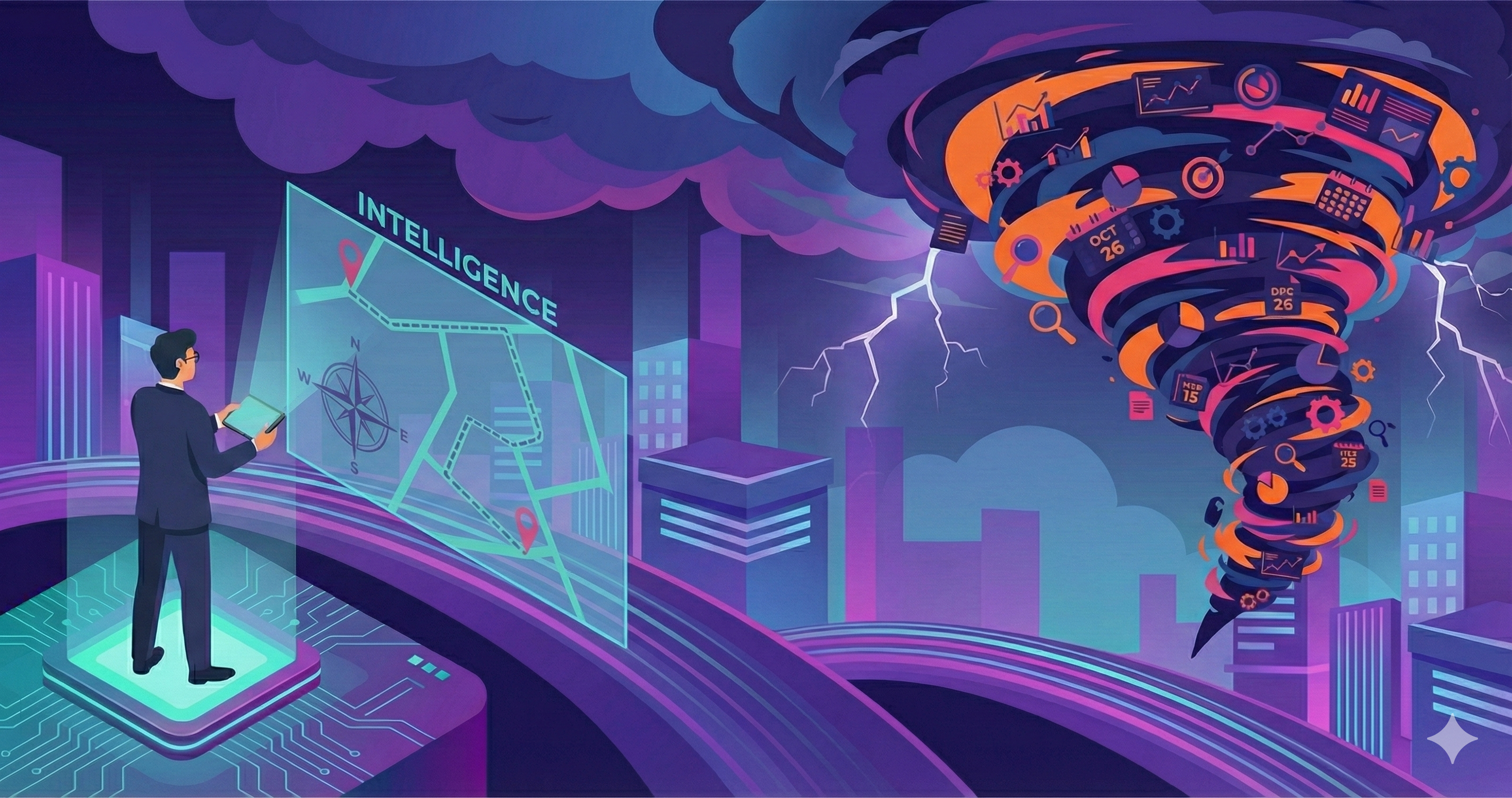
Over the past three years, cybersecurity marketing leaders have operated in recovery mode, awaiting a new normal in event marketing. Current data indicates the wait is over, and the landscape has shifted more than expected.
Delve Risk’s Cybersecurity Events Intelligence Report 2025 shows the market has not only recovered but expanded significantly, with over 5,000 cybersecurity conferences, summits, and forums expected worldwide for 2026.
For CMOs, VPs of Marketing, and Field Directors, this number is terrifying. It creates a paradox of choice that can easily paralyze a budget. To put the sheer scale of the 2026 landscape into perspective, by December 2025, our team had already validated and logged over 3,500 distinct events for the upcoming year. This confirms that the primary hurdle is no longer, “Where can we find an audience?.” The challenge is, “How do we filter the noise to find the right audience before our competitors do?”
This isn't just a calendar scheduling issue; it is a budget efficacy issue. If you rely on historical renewal data or "gut feel" to plan your 2026 spend, you will likely burn capital in oversaturated markets while missing the highest-yield opportunities.
Here is a data-led analysis of how to navigate the 2026 landscape, ensuring every dollar in your field marketing budget maps directly to pipeline and revenue.
1. The "In-Person" Mandate and the Travel Budget Trap
The first major takeaway for your 2026 planning is the definitive death of the "digital-first" event strategy as a primary lead driver. The data shows an overwhelming resurgence of face-to-face engagement.
Over 75% of all events listed for 2025 are in-person. Virtual formats have sharply declined, and hybrid formats are now rare.
The Marketing Implication:
Your 2026 budget must account for a heavier T&E (Travel and Expense) load than in previous years. The expectation from buyers is now physical presence. If your budget allocates significant spend to virtual booths or hybrid sponsorships, you may be investing in ghost towns.
However, you cannot physically be everywhere. With +5,000 options, attempting to "cover the map" will dilute your brand impact and burn out your field teams. The strategy must shift from coverage to density. You need to identify where your presence serves a specific business outcome—pipeline acceleration or brand dominance—and ruthlessly cut the rest.
2. Seasonality: The "Double Peak" Pressure Cooker
When does your team experience the most burnout? When is your budget under the most scrutiny? The data predicts exactly when these friction points will occur in 2026.
Activity in the cybersecurity event space peaks twice:
- Spring Peak: March through May.
- Fall Peak: September and October.
This creates a dangerous alignment with typical corporate cycles. The Spring peak hits exactly when Q2 pipeline pressure mounts. The Fall peak, anchored by Cybersecurity Awareness Month in October, coincides with Q4 renewal seasons and end-of-year budget "use it or lose it" panic.
The Marketing Implication:
You are facing a calendar compression where the highest volume of events happens exactly when your team has the least amount of bandwidth.
To survive this, your Q1/26 strategy cannot be reactive. You must lock in your "Anchor Events" for the Fall peak by Q1. Waiting until August to book October sponsorships will result in premium pricing for leftover inventory. Furthermore, knowing these peaks allows you to flight your campaigns. If the industry is shouting in October, perhaps your ABM budget is better spent on high-impact, smaller regional dinners in the quiet months (January/February or June/July) where you can own the share of voice.
3. The "Delta Analysis:" Finding White Space in a Crowded Market
Perhaps the most critical insight for an ABM or Field Marketing leader is the concept of Market Saturation.
It is easy to look at a map and say, "We need to be in San Francisco and Las Vegas." Everyone is there. But that is exactly the problem. The report utilized a "Delta Analysis" to compare the concentration of cybersecurity decision-makers (people) against the volume of events (saturation).
This reveals two distinct categories of cities that should dictate your field strategy:
The Oversaturated Markets (Red Ocean)
These are cities where the volume of events outpaces the local decision-maker population. Leading this list are Las Vegas, St. Louis, Denver, Austin, and Atlanta.
- Risk: In these markets, you are fighting for attention against hundreds of other vendors. "Event fatigue" is real here.
- Strategy: If you sponsor here, you must "Go Big" or go home. A standard 10x10 booth in Las Vegas is invisible. Unless you have the budget for a premium activation or a speaking slot, your ROI will likely suffer.
The Undersaturated Markets (Blue Ocean)
These are the hidden gems—major metros with high concentrations of cyber talent and decision-makers, but a surprisingly low volume of events. The top cities in this category include New York City, Philadelphia, Washington D.C., Pittsburgh, and Columbus.
- Opportunity: These regions represent "white space.” There are more buyers than there are events for them to attend.
- Strategy: This is where you "Go Wide." Instead of fighting for scraps in Vegas, allocate your field budget to dominate a regional circuit in the Northeast or Midwest. A smaller budget in Philadelphia or Hartford can make you the biggest fish in the pond, offering direct access to hungry buyers who aren't being bombarded daily.
4. The Value Ratio: Solving the Sponsorship Cost Dilemma
In 2026, CFOs will ask harder questions about Cost Per Lead (CPL) and Return on Event (RoE). How do you justify a $50,000 sponsorship?
The report introduces a metric called the Value Ratio—a calculation comparing the cost to attend vs. the cost to sponsor, normalized by the length of the event.
The data uncovers a fascinating trend: bigger is not always better. Some of the highest value ratios—where you pay less to sponsor relative to the "quality" (ticket price) of the attendee—are found in Regional Summits rather than massive global conferences.
Events in cities like Austin, Dallas, and Nashville often deliver stronger ROI per sponsor dollar than the legacy "big ticket" summits. These events typically feature:
- Lower sponsorship costs (often under $5,000).
- Moderate attendee fees (indicating a qualified audience, not just "swag hunters").
- A focus on specific themes like Security Operations or Governance.
The Marketing Implication:
Adopt a "Hybrid Portfolio" approach.
- Anchor: Select 1-2 massive summits (e.g., Evanta, RSA, or a major Partner conference) for brand prestige.
- Scale: Invest the remainder of your budget in 3-5 high-value regional events or dinners in undersaturated markets. This diversifies your risk. If the big summit flops, your pipeline is protected by the steady drip of qualified leads from the regional activations.
5. Thematic Alignment: Don't Just Show Up, Speak Up
Finally, your 2026 budget must align with what buyers actually want to hear. The days of "General Cybersecurity" messaging are fading. The 2025 data shows that AI/ML has risen to become the second most common event theme globally, trailing only behind general security topics.
However, the data also highlights the durability of Security Operations (SecOps) and Governance/Risk/Compliance (GRC).
The Marketing Implication:
If your product marketing deck is generic, you will fail.
- For AI/ML Events: Ensure your booth staff isn't just handing out flyers. You need technical Subject Matter Experts (SMEs) on the floor who can discuss the reality of AI, not just the hype.
- For GRC/SecOps Events: These audiences are pragmatic. Shift your messaging from "Visionary" to "Tactical."
The landscape is "theme-driven”. Your event selection should match your product roadmap. If you are launching a new Compliance feature in Q2, map your spend to the Governance-heavy regional events in the Northeast, not a general hacker meetup in Las Vegas.
Turning Intelligence into Action
The explosion to over 5,000 events in 2026 is not a logistical problem; it is a strategic one. The marketing leaders who win this year will not be the ones with the biggest budgets—they will be the ones with the best intelligence.
They will be the leaders who know:
- To avoid the oversaturated "Red Ocean" cities unless they can dominate.
- To target the undersaturated "Blue Ocean" hubs in the Northeast and Midwest.
- To balance their portfolio with high-value regional events that offer better cost-to-coverage ratios.
- To book their Fall Q4 campaigns in January to avoid the October rush.
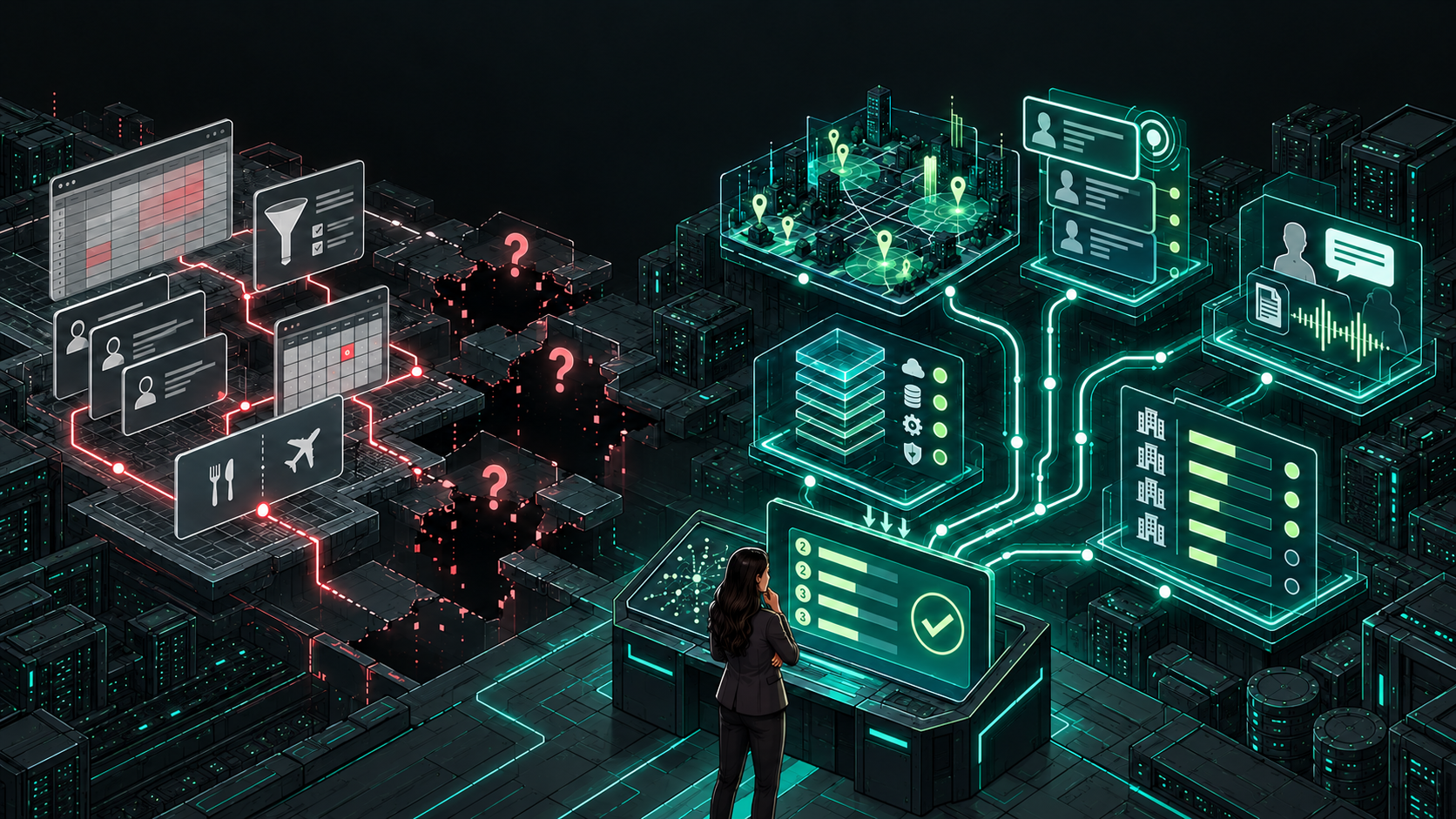
Planning a budget of this magnitude requires more than a spreadsheet; it requires a validated map of the territory.
Ready to build your 2026 defense?
By December 2025, Delve Risk has already validated and uploaded over 3,500 of these 5,000+ events into our system. Planning a budget of this magnitude requires more than a spreadsheet; it requires a validated map of the territory.
Don't guess where your buyers will be. Know for sure.
- Build Your Strategy: Stop guessing where your buyers will be. Access Delve Risk's Cybersecurity Events Calendar to audit competitors and use the Event Planner Tool to find your "Blue Ocean" markets.
- Explore Delve Risk's Verified Events: Looking for vetted opportunities? Visit our Verified Events page to find curated experiences designed to drive connection.
- Download our 2025 Cybersecurity Events Intelligence Report or watch our webinar where we discuss the findings.